W.A.S.P. Live 2026
Few heavy metal acts carry theatrical bravado into a live room the way W.A.S.P. does, and this current run is the place to see that showmanship firsthand. Formed in Los Angeles in the early 1980s and led by frontman Blackie Lawless, the band built its reputation on hard-edged riffs, anthemic choruses, and a stage presence that treats every concert as a full-scale spectacle. Expect crunching guitars, driving drums, and vocals that shift between snarling menace and soaring melody, all wrapped in an atmosphere that feels equal parts arena rock showmanship and late-night dark theatre. The audience is a loyal mix of longtime followers who grew up with the albums and younger headbangers discovering the catalogue for the first time, drawn to songs that reward both sing-along energy and sheer volume. What makes this run worth attention is its reach: the itinerary spans a wide spread of cities and venues, giving fans in many regions a chance to experience the band in rooms of differing size and character. The set typically keeps a fast, relentless pace, opening with high-voltage material, moving through mid-tempo crowd favourites, and building toward a closing stretch that leaves little room to catch a breath. Transitions are quick and the energy rarely dips, so arriving early and staying close to the stage is a good idea. Before you plan your night, take a look at the dates table below, which lists the confirmed stops, and find the show closest to you.
Listen on Spotify
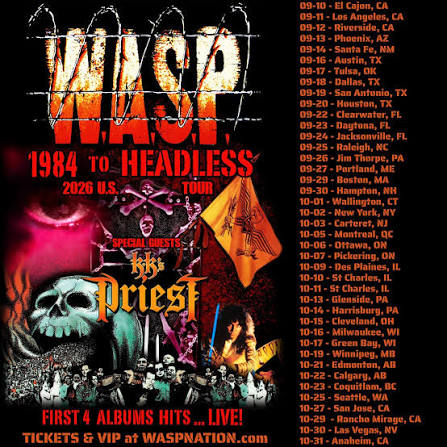
W.A.S.P. Tour Dates 2026
Tour Poster
Video
Photos
About W.A.S.P.
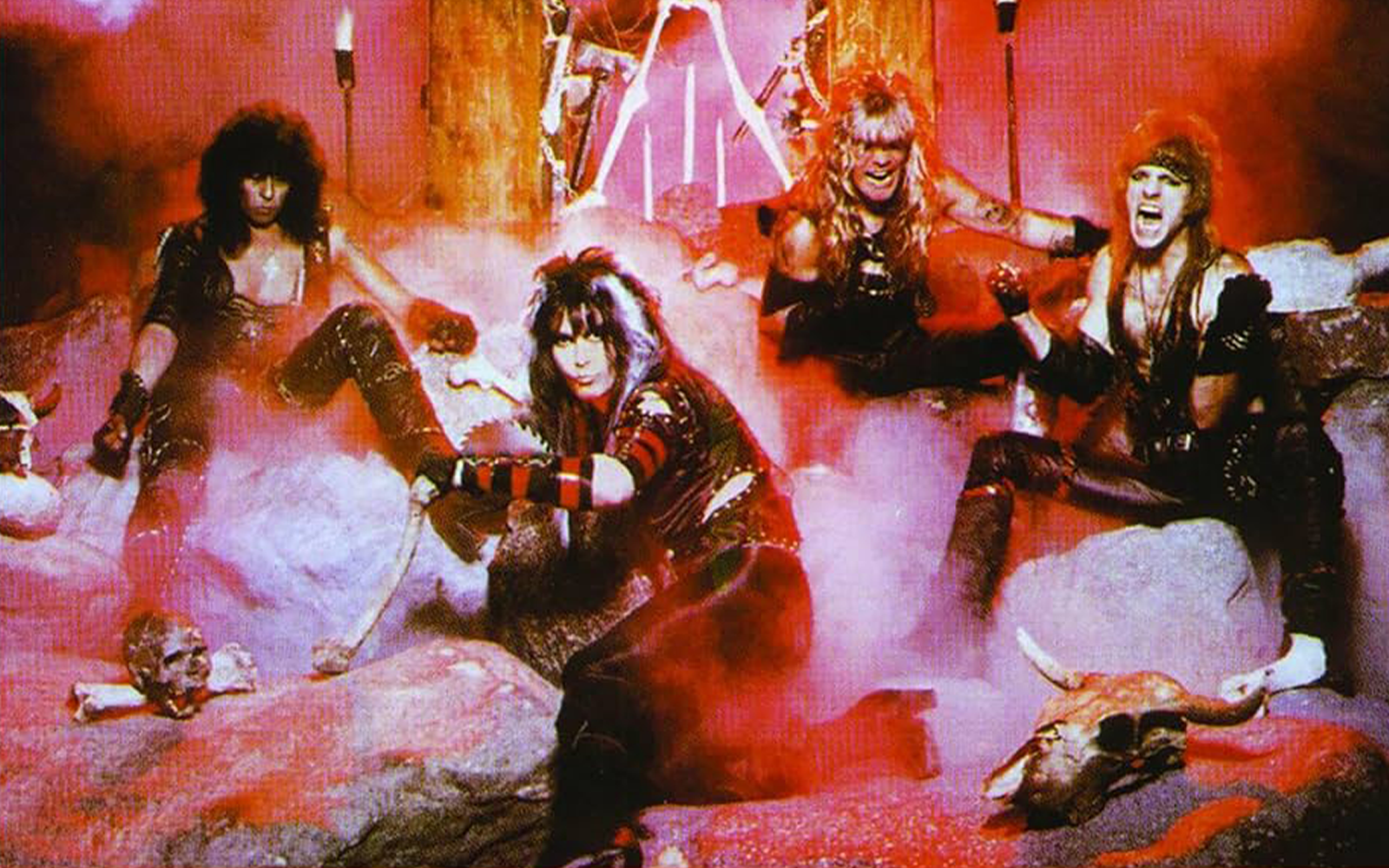
W.A.S.P. formed in Los Angeles in 1982, when vocalist and bassist Blackie Lawless built the group around hard rock and heavy metal songs he had been writing for some time. Lawless has been the band's principal songwriter and its one constant presence through many changes in guitarists and rhythm sections. The early sound grew out of the city's club scene, but its core is heavier than much of that circuit. Rhythm guitars are thick and downtuned, bass lines drive forward with a steady gallop, and the drums favor firm, muscular pulses over technical display. Lead guitar tends toward melodic, harmony-based phrases, while Lawless's vocals are gravelly and dramatic, often climbing into sustained high notes during choruses. Quieter ballads bring in clean guitar and softer dynamics, creating a contrast between force and theatrical sentiment.
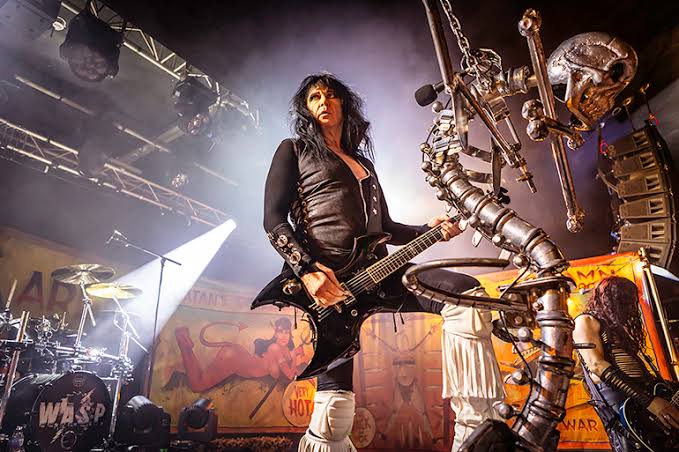
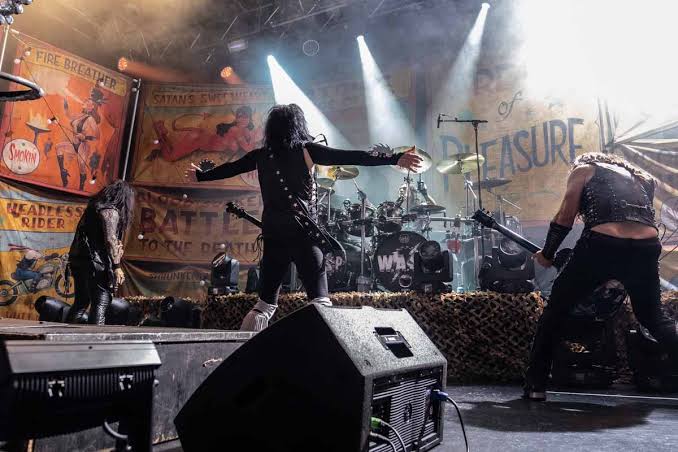
The current live show is built around the band's theatricality as much as its riffs. Lawless's stage presence and costuming are central to the experience, and the lighting design uses haze and dramatic color shifts to shape each song's mood. Where venue rules allow, pyrotechnic and staging effects add to the spectacle, though the production scales to the room rather than arriving with a fixed template. The setlist draws on the classic 1980s catalogue alongside selections from later albums, so longtime fans hear familiar anthems while newer listeners get a fuller picture of the songwriting. Venues range from club-sized rooms to mid-size theatres and rock halls, and the smaller spaces tend to feel closest to the band's original raw energy. Festival slots appear on bills from time to time when the schedule allows.
Among the band's most cited milestones is its self-titled debut album, released in 1984, which introduced songs such as "I Wanna Be Somebody" and "Animal (F**k Like a Beast)" to a wide audience. The record's provocative lyrics and imagery drew attention from parental advocacy groups of the period, a controversy that became part of the band's public identity. A later landmark is The Crimson Idol, a concept album from 1992 that follows a rock star's rise and personal unraveling and is often praised for its ambition and song-to-song narrative. Across its career, W.A.S.P. has also appeared on major rock and metal festival bills in several countries. Fans frequently point to these albums and songs as the core of the band's legacy, and they often remain the emotional centerpiece of live sets.
W.A.S.P. sits within the lineage of 1980s American heavy metal and hard rock, sharing roots with the Los Angeles glam-metal scene and with the broader wave of bands that brought heavier riffs and bigger choruses to arena and club audiences alike. Its audience is a mix of longtime followers who came up with the early records and newer listeners drawn to classic metal's roots. People who enjoy theatrical vocalists, melodic guitar harmonies, and concept-driven albums tend to respond strongly in person, as do fans of related acts from the same era. The crowd is often welcoming to first-time attendees who are curious about the catalogue, and the band's songs translate well to a room full of people singing along. Listeners who value both melodrama and muscular riffing usually find the live experience especially rewarding.
Practical details vary by venue and billing, so check local listings for exact times. Headline sets typically run around ninety minutes to two hours, with the band taking the stage later in the evening after one or two support acts. Openers are usually drawn from the hard rock and metal circuit, often local or regional bands with a similar sonic approach, and arriving early is worthwhile if you want to see them. The room tends to be mixed in age, with many attendees in denim, leather, and band shirts, and the atmosphere is loud, friendly, and communal, especially during the big choruses. Doors generally open an hour or so before the opening act. Smaller rooms can get hot and crowded near the stage, so plan accordingly if you want to be close to the action.
Readers planning a night out can browse the upcoming dates listed below to find a show near them. Each entry includes the venue and the basic details provided by the listing, so you can compare cities, room sizes, and ticketing information at a glance. Because schedules and billing can change, it is worth confirming times and support acts directly with the venue before you travel. Whether you are returning to the early records or hearing these songs live for the first time, the dates below offer a straightforward way to plan your next W.A.S.P. show.
FAQs
Where can I buy tickets for a W.A.S.P. concert?
Tickets are usually sold through the venue's box office, the official W.A.S.P. website, and authorized ticketing platforms linked from the event page. Buy only from these official channels to avoid counterfeit tickets or inflated resale prices, and be cautious of unofficial sellers on social media.
How much do W.A.S.P. concert tickets cost?
Prices depend on the venue, the city, and whether the show is a headline date or part of a festival bill. Tickets are typically sold in several price tiers, and the best-value seats often sell out first. Check the event listing for face values, service fees, and taxes, which are shown before you complete your purchase.
What is the age policy for attending a W.A.S.P. show?
Age requirements are set by each venue rather than by the band, so they can change from one show to the next. Some rock venues admit all ages with aParent or guardian, while others require attendees to be 18 or 21 and older, especially when alcohol is served. Check the event page or contact the venue before buying tickets for minors, and bring valid photo ID if you need to prove your age at the door.
What VIP options are available for W.A.S.P. concerts?
When offered, VIP packages may include reserved or priority seating, a closer standing position, early entry, and sometimes a merchandise item or a meet-and-greet. Package contents vary by date, so review the ticketing page carefully to see exactly what is included, since not every show offers every perk.
What is the refund policy if a W.A.S.P. concert is canceled or rescheduled?
If a show is canceled, venues and ticketing platforms generally issue a refund to the original payment method, often including fees. If a concert is rescheduled, your existing tickets are usually valid for the new date. Tickets are typically not refundable for personal reasons, so review the event's refund terms and contact the seller as soon as possible if you cannot attend.
Live tour and ticket guide
This is an independent fan-made guide to live events and ticket listings. This website is not affiliated with, sponsored by, or endorsed by W.A.S.P., any venue, or any ticket provider. We may earn a commission from ticket and hotel links at no extra cost to you.
Follow W.A.S.P.